Wednesday, 18 January 2017

A Remembrance Day Themed Drama Class

Hi Readers!
For this post I wanted to share a lesson that I did with my peers in my drama teacher education class. Our lesson presentation was very close to Remembrance Day, therefore we used this theme to address this important day and explore understanding of the concepts of war in a more hands on and creative way. I hope this is something you might consider using in your class!
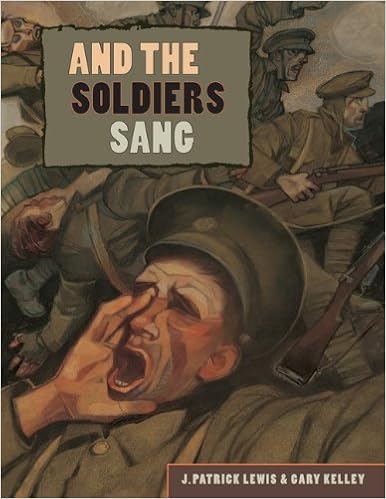
Image result for and the soldiers sang

We started off with a picture walk of our metor text called And the Soliders Sang by J. Patrick Lewis. We showed everyone pictures from the book and asked them to think about what they think the story is about and what will happen. After showing the pictures and giving them some time to process them, we all shared our thoughts.

Image result for and the soldiers sang images

After this, we began to read the beginning of the story to give some context to the setting of the story. At this point, we stopped and had one of the "teachers" get into the role of a soldier that was captured by the opposing side and being questioned. We began a hot seating activity with the "teacher" in the hot seat and had the "students" ask the solider questions. Our aim was to show that soldiers were just ordinary people with lives just like them. They have family, love, fear, regret, and sadness just like anyone else. For our objective, having the teacher in role was beneficial to drive those points home. The rest of the "teachers" were at the back with questions prepared to help steer the conversation in this direction if it got silly or off topic. In a classroom setting, you could even have prepared questions that students would pull from a jar and ask. We found this activity to be very effective.
After this activity, we continued reading the story. Our next activity was to get students making tableaus of a number of scenes that occurred in the story. The class was broken up into four small groups and assigned a scene to make a tableau of. After they had them prepared, they presented them to the class. We decided to take this one step further by then instructing them to add five seconds of movement to their tableau. Once they completed this, we had the groups present their tableau and movement in sequential order to show how the story progressed. A humming of "Silent Night" began after each tableau to signal a transition to the next group. With a little bit of practice, it went seamlessly and was very cool to watch!

Image result for and the soldiers sang images

After this, we finished up the story and had students return to their desks to take part in some "Writing in Role". This is a drama strategy in which students take on a particular role and write a letter in that role. For this activity, they were to write a letter to someone at home or another soldier about their experience in the war and in the cease fire that happened in the book that brought both opposing sides together for a good time. This is an effective final activity because it will showcase their understanding of the story and the concepts we have discussed throughout the lesson. It can also act as a cross curricular with Language Arts!

Thank you for reading!
Miss G.

Drama Games

Hi Readers!
For this post I just wanted to share a few drama games that I have learned and used in my classroom as a student teacher that went really well!
Two of these games are partner games that I used in my class that my students loved and requested time and time again! This first one is called "What Changed?". In this game, students get into pairs and face each other. One partner closes their eyes and then the other one changes something about their appearance, maybe they untie their shoe lace, take off their sweater, roll up their sleeve, change their hair etc. Then when the other partner opens their eyes, they have three guesses to figure out what their partner changed about themselves! After they are done their guesses, they switch and the process begins again! To make this activity more challenging, you could put them into group of three so that they have two people changing something that they must guess. It is interesting watching ho silly this game can get, or how tricky students can make it for each other! Due to these facts, you can play this game with students from Kindergarten to Grade 5 or 6!
Another partner game my students really enjoyed was called Artists and Blobs. For the first time we played this game, I simply told students to partner up and label themselves A or B. One they did that, I told them that partner a was the "artist" and partner b was the "blob". The students got a kick out of being "blobs" before they even knew what it meant! The way this works is students spread out in their pairs around the room, and the artist molds her "blob" into a statue or a "beautiful creation". Then once they are ready, the artists walk around the room and admire their creations. Once this is created, the partners switch and repeat the process. My students got very creative with their statues, incorporating objects in the classroom, facial expressions, and different stances and levels! This was a class favourite.
Image result for children drama human statue

As a final drama game I wanted to share an activity that involves the whole class! This game is called "Follow the Leader". For this game, you select one person to be the guesser and have them stand outside of the classroom with the door closed. After they are out of sight and earshot, a leader is chosen. Once everyone knows who the leader is, the guesser enters the room and stands in the middle of the circle. The class is discretely watching the leader to see how they are sitting, or what movements they are doing and follow along by copying them. The guesser gets four guesses of who the leader is. Then the leader is the next person to leave the room and be the guesser and the process continues. This was a good game for learning strategizing. My class learned that if the leader did an action that made noise (ex. clapping) it was easier for the guesser to figure out the leader based on where the noise came from first, so then we tried to do actions that made no noise to make it more of a challenge! Watch the short video below to learn more about the benefits of this activity and see a short demo of how it works!


Happy Playing!
Miss G.

Team Building Drama Strategies

Hello Readers!
I decided to do a blog post on team building drama strategies after I discussed group improvisation in my previous posting. Group improv is a good way to get your students working together as a team! As educators, we all know how important it is to get your students working together effectively and creating a community vibe to your classroom. In light of this, I want to share a strategy that I have learned about that could be great team building activities for your students.
One of the strategies I would like to share with you is called the "Corridor of Voices". In using this strategy, it is beneficial to use tape to make two straight parallel lines on the floor for students to line up along facing in towards each other (see picture below for clarity). The idea is, a student will walk down the middle of the corridor, acting as a character, while the students lining the corridor say or shout things to the student walking. They may voice feelings, thoughts or moral concerns the character may be having, or be giving advice and/or warnings to the character. This is a great strategy in the sense that you can mold it to fit your context and goal. One interesting way this strategy was used in my teacher education class was in relation to Mental Health. One time walking down the corridor students said mean or teasing things that would make someone feel bad, and the second time they said positive, friendly and encouraging things to them. We discussed empathy and how our actions can affect other people emotionally and mentally. Depending on your classroom, you may want to modify this activity. You may consider using an inanimate object like a puppet or stuffed animal in place of a student walking down the corridor, or you may walk down the corridor yourself instead. Taking this approach might be easier than having a student face the brunt of the voices. It will depend on the grade you are teaching, the circumstances under which you use the strategy, and the class itself.


Thank you for reading!
Miss G.

Improvisation Drama Strategies

Hello Readers!
Riding on the coattail of my last posting about assessment in which I discussed Hot Seating, I wanted to share a couple improvisational strategies that I have learned about thus far in my drama studies. Improvising is such a fun way to explore drama and allow students autonomy in their learning and experience. It is great for a good laugh and bringing out the actor in everyone.
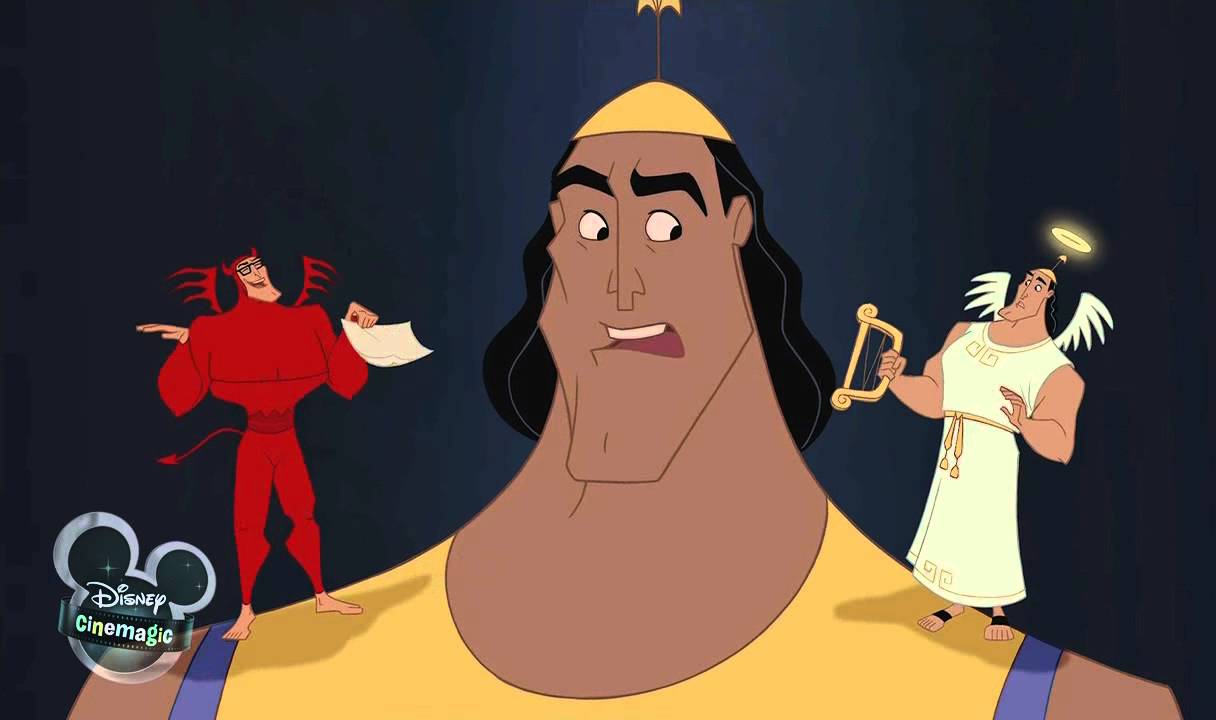
One great improvising strategy I just recently learned is called the Alter Ego. In this strategy, one person sits in a chair and is to play the role of a character. This character may be from a book you read or are reading, or popular culture. This character should be trying to make a decision about something. Then two students stand on either side of them and one acts as the "angel" and the other acts as the "devil" on their shoulders. It is the job of the angel and the devil to argue their perspective on the issue to the main character and persuade them to take their side and make a particular decision. Each student feeds off of the other to make their arguments and weigh the options, and in the end the main character should make a decision siding with either the angel or the devil. It is fun to have students switch after and play a different role to see if they can make the outcome change! In our class we did this half way through a story where the main character was making a decision about a problem, and then after the activity we read on to see what the character actually decided to do! This is a great improv activity that you can use in Language Arts or maybe History! It can be a great "break" to energize your group and have them invested in the outcome of the story or the event.

Image result for angel and devil on shoulder

Another improvisational strategy that I personally enjoy is simply referred to as "Group Improv". This strategy is exactly what it sounds like, improvising as a group. I did this activity in my 3rd grade class as a student teacher. The class had to work together to act out a scene that involved all of them. In our example, we acted out a scene of setting up a campsite in the woods. This is a situation that you can use a lot of people at once, and is challenging because the students need to work together to ensure everyone is participating and all the "jobs" are being taken care of. In our classroom, the theme was camping and our students were campers so it worked quite nicely! This is a great strategy to work on inclusion, coordination and teamwork! You may want to build your students up to this activity by having them work in small groups and working your way into bigger and bigger groups to act with.

Thank you for reading!
Miss G.

Drama Strategies for Assessment


Hello Readers!
So using drama strategies for assessment has probably been one of the most interesting and innovative ways of integrating drama into the everyday school context that we have learned about thus far. Using some of these strategies can make assessment very exciting for students. This excitement will translate into enthusiastic participation, and when can educators every complain about that?!
In terms of assessment, there is a strategy you can use as a diagnostic assessment for just about anything in the classroom! If you are starting anything new, you can use a strategy that gets students up and out of their seat. I called this strategy relative positioning. In my own class our instructor used this strategy as follows. She placed a chair in the middle of the room and had us position ourselves in the room relative to the chair based on our comfortability and confidence in participating in drama. The closer the chair indicating complete comfort and confidence, and the further away from the chair indicating a decreasing amount of comfort and confidence. We were able to position ourselves accordingly and from this our instructor was able to gauge our dramatic abilities before even beginning. This is a diagnostic tool you could use in the classroom under a variety of situations, but maybe most commonly when introducing a new area of study or concept. This can allow you to get an idea of what your students know and don't know very easily and quickly.
What our instructor did next is another drama strategy that can give you some insight for assessment in other situations. This strategy is called the "tap in". In our context, after we had positioned ourselves based on our comfort and confidence in drama, our instructor walked around the room and tapped on the shoulder of some of my peers. When their shoulder was tapped, it was a signal that she wanted them to explain themselves. This gave her even more insight into the diagnostic assessment! This can be used coupled with the relative position strategy, or in other circumstances as well. This is also a great tool when assessing a tableau! You can tap in a student so they can explain their tableau and the elements they have included to make it a good tableau.
A final strategy I will share is one of my personal favourites! This is a improvisation strategy that involves role playing and can involve the whole class when appropriate. In this strategy, questions are asked to someone in the "hot seat" and they must respond in character. The questions can be asked by the other students or by the teacher depending on skill level. It is a fun and quality assessment tool to check for comprehension in Language Arts, Science, Social Studies, History and more! I have posted a video below of a class who are participating in the hot seat in Language Arts with the teacher leading by asking the questions. This should give you a good idea of how it works!


Happy Assessment!
Miss G.

Introduction to the Drama Chronicles

Hello Readers!
My name is Miss G. I am a teacher candidate for the Primary/Junior division at Brock University this year and will graduate and become a member of the OCT in May of 2017! I have been taking a number of classes teaching different subject areas to my students, including: Math, Science, Social Studies, and Language Arts. In addition to these courses, I have also been spending a lot of time exploring the Arts! For the last several weeks I have been studying drama in the elementary school context with my fellow teacher candidates. We have both taught each other through mock lessons and participated in a number of drama strategies together, infusing different subject areas to learn how drama can be cross-curricular. In light of this, I have started this blog share my knowledge and appreciate for the Arts in a school context with all of you. I plan to do this by sharing with you a variety of drama strategies for purposes that you may not have previously considered, as well as to give you some great activities to add to your arsenal!

Enjoy!
Miss G.